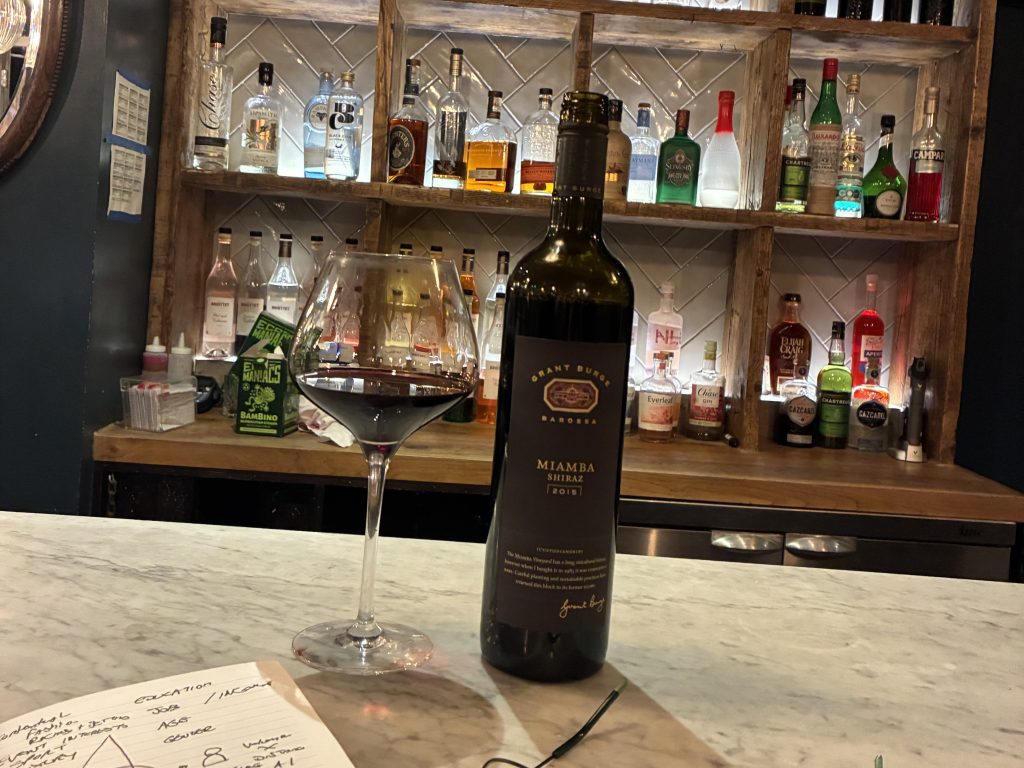
First up, what a cracking bottle of full-bodied red wine. This is right up my street, and I am keeping a few back for Christmas with the family! These will be just the job for a winter in Dorset!
So, as I’ve seen on my travels across Australia and working with so many winemakers in this region, the Barossa Valley is synonymous with powerful, expressive Shiraz, and Grant Burge has been a cornerstone of the region’s winemaking since the 1960s. With my cursory research suggesting that icons (Penfolds Grange and Henschke Hill of Grace etc.) often grab the headlines across the wine forums, the word in my marketing literature is that the Miamba Shiraz series showcases Grant Burge’s ability to blend traditional Barossa intensity with elegance and drinkability. What’s more, my winemaker notes explain that the 2015 vintage exemplifies the balance between fruit, structure, and complexity that makes Barossa Shiraz so sought-after. If they say so, but I know I love this from my own tasting experience.
Tasting Notes
So, let’s dive into my evening tasting of this absolute beauty. In the glass, the Miamba Shiraz is a deep garnet with purple highlights, its slow, clinging legs hinting at richness and concentration. The nose is vibrant and inviting, with dark cherry, blackberry, and plum notes layered with hints of spice, mocha, and subtle earthy undertones. On the palate, it is full-bodied yet smooth, with velvety tannins and balanced acidity that lift the dark fruit core. Flavours of ripe berries, chocolate, and pepper weave through a long, elegant finish that reveals the wine’s structure and age-worthiness.
Wrap-Up
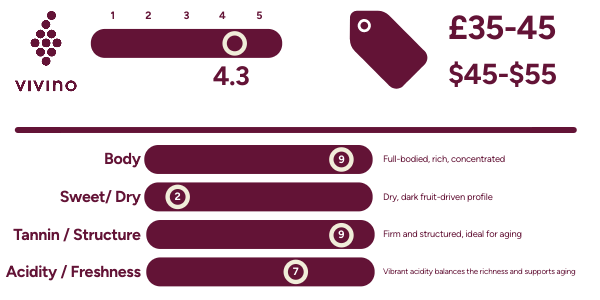
On the taste scale, this Shiraz is full-bodied, elegant, and fruit-driven, with firm but approachable tannins and a lingering finish. Price-wise, it sits around £35–45 / $45–55, reflecting its premium Barossa pedigree. On Vivino, it typically scores 4.2–4.3/5, confirming its strong reputation among Shiraz lovers. Pair it with roasted lamb, slow-cooked beef, or a hearty vegetable stew to fully appreciate its depth and complexity.
 The Rest is Vino
Leave a comment